

-
info@Metroprotective.ca
Send Email
-
Toronto – Hamilton – London – Windsor
Metro Protective Services
Tel: 416-240-0911
Confidentiality Guaranteed
Tel: 416-240-0911
Confidentiality Guaranteed
07
Nov
Nov
Comprehensive Security Guard and Property Protection Services in Toronto and the GTA: Mobile Patrol Services Toronto Lot Discipline That Gets Paved Areas Ready Before the First Plow
Breadcrumb: Home > Security Services > Mobile Patrol Security
Date: November 7, 2026
Series: Comprehensive Security Guard and Property Protection Services in Toronto and the GTA
Entry: 36
Category: Mobile Patrol Security
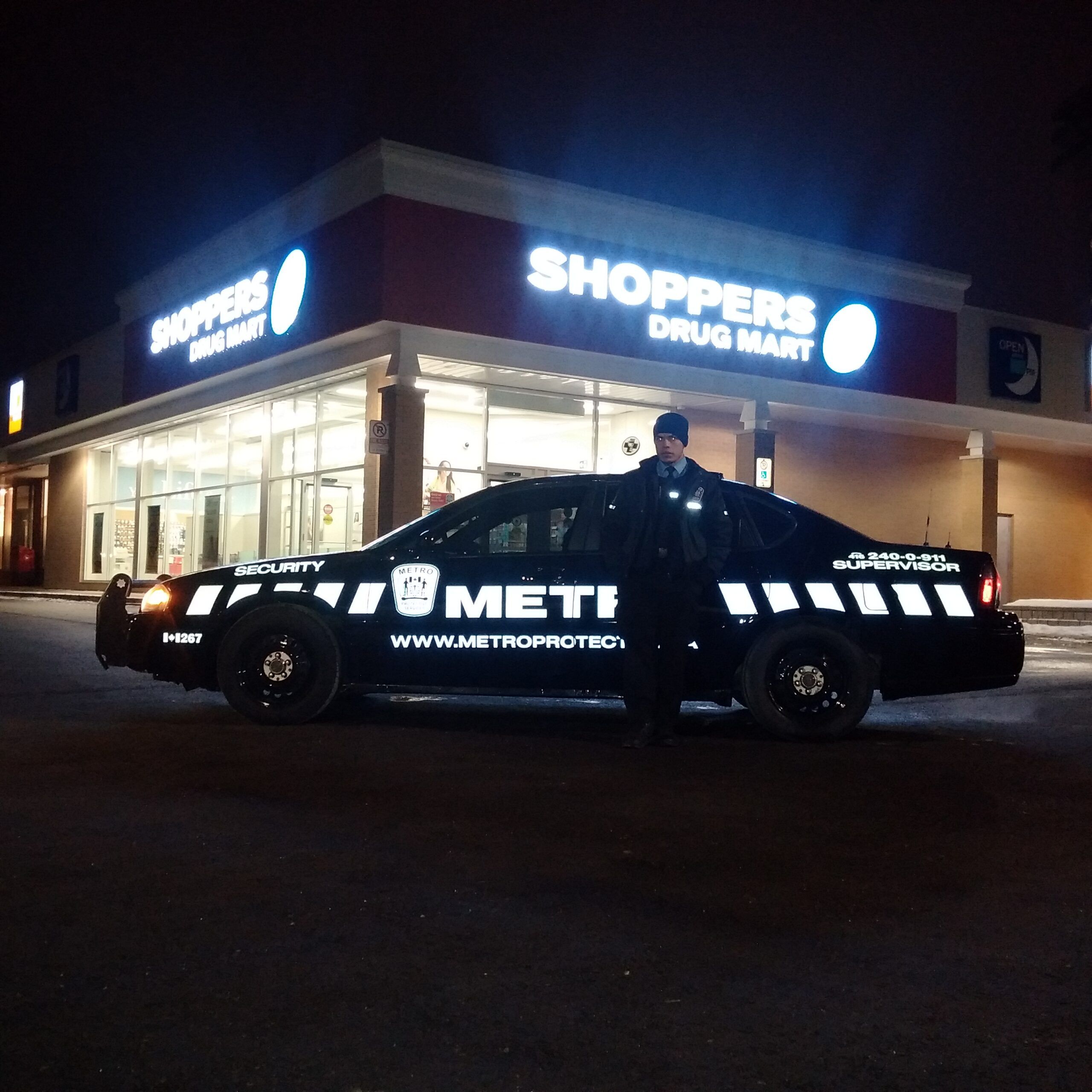
As Toronto property managers prepare for winter operations, Mobile Patrol Services Toronto can help check lot markings, fire routes and access points before the first plow arrives. These checks can coordinate with Security Guard Services Toronto, Construction Site Security Services, Concierge Security Services and Residential Security Toronto teams, so site conditions and resident communications are considered together.
Pre-plow readiness is a matter of practical groundwork, not a guarantee that every winter disruption can be avoided. A patrol can identify faded stakes, blocked hydrants and areas that need attention, then report those observations to the property manager. Metro Protective Services has served Toronto and the GTA since 2000, with a 24/7 dispatch centre and electronic reporting to support that coordination.
Movement 1: Mobile Patrol Services Toronto Confirm Lot Markings Before Snow
Before plows enter a property, officers can walk or drive designated areas to check that snow stakes and lot markers are visible and intact. They can also note curbs, medians, islands, bollards and fire hydrants that may become harder to see once snow accumulates. Missing or faded stakes are easier for property teams to assess while pavement is still exposed.
A useful patrol plan identifies the locations that matter to plow operators and emergency access. For example, patrol officers can record whether lot entrances, turning areas and loading zones have visible markers, and report anything obscured by stored materials, parked vehicles or landscaping. Property managers can then decide whether to replace a marker or communicate the issue to a contractor.
These observations form part of Mobile Patrol Services Toronto for commercial lots, residential properties and sites with several access points. Metro’s Mobile Patrol Services Toronto can include scheduled checks and GPS check-ins through the Sky-Guard Monitoring System.

Movement 2: Security Guard Services Toronto Check Fire Routes and Snow Signage
Fire routes and hydrant access need particular attention during winter preparation. Patrol officers can note vehicles or stored items that obstruct designated fire routes, access roads or hydrants, then communicate the observation to the property contact. Keeping these areas accessible supports emergency access and helps plow contractors understand which routes require priority.
Property teams should also distinguish between different types of snow-related parking restrictions. The City of Toronto states that temporary orange “no parking” signs prohibit parking on the signed road until snow removal is complete and the signs are removed. Separately, the General Manager of Transportation Services can declare a major snow storm condition. During such a declaration, parking is prohibited on designated snow routes, primarily in the downtown core and on all streetcar routes. The City publicizes declarations through media and online channels. Vehicles may be tagged, towed or impounded, with fines up to $500 for parking on designated snow routes during a major snow event.
The City also notes that vehicles can be moved when they delay emergency services or hinder snow-clearing operations, even if legally parked. See the City’s Snow Removal After Major Storms page for current information. For a vehicle towed from a major arterial roadway, the City directs people to Toronto Police Service at 416-808-2222 for location assistance.
This is general information, not legal advice. Property managers and drivers should refer to current City notices and posted signs. Private security officers can relay information and report conditions, but should not present themselves as City enforcement personnel.
Movement 3: Re-sequence Patrols Around Plow-Critical Areas
A standard patrol route may need adjustment when plowing is scheduled. In coordination with property managers and contractors, a mobile patrol team can prioritize fire routes, hydrants, access roads and loading areas, then check less time-sensitive parts of a site. This helps put attention on the areas where a parked vehicle or obstruction could interfere with plow movements or emergency access.
Before work begins, management can advise tenants, employees or contractors where vehicles should be moved and when. Patrol officers can report remaining vehicles or access concerns to the designated contact and dispatch centre. Radio and dispatch coordination with plow contractors can support timely updates when plans or site conditions change.
Clear, courteous communication matters. Residents and drivers may have questions about temporary signs or relocation requests. Officers should explain the information available to them, direct people to management or City resources where appropriate, and document unresolved concerns rather than speculate about enforcement or towing.
Construction Site Security Services Stage Yards and Site Lots
Construction sites often combine employee parking, delivery access, material storage and equipment laydown areas. Before plow season, supervisors can identify where vehicles should be staged, which routes must remain open, and whether stored materials could obstruct markers or turning space. Particular attention may be needed at temporary access roads and around hydrants or emergency gates.
Construction Site Security Services can help relay the site plan to patrol officers and report conditions that differ from it. Metro’s Construction Site Security Services are designed for construction environments where access, equipment and site activity require coordinated attention. A patrol report can give the site supervisor a documented view of conditions before and after plowing, without substituting for the contractor’s operational plan.
Businesses that need broader coverage can review Security Guard Services Toronto and Retail Loss Prevention for other property security needs.
Concierge Security Services and Residential Security Toronto Coordinate Resident Updates
At residential properties, the physical patrol is only one part of pre-plow coordination. Concierge and lobby teams can help communicate relocation notices, answer routine questions and direct residents to the property manager’s instructions. Overnight visitor parking also requires clear notice, particularly when vehicles must be moved before a scheduled plow operation.
Concierge Security Services teams can share approved notices with residents and record questions that require management follow-up. Residential Security Toronto operations can also coordinate with mobile patrol officers when a lot inspection identifies an obstruction or an unmarked area. The lobby provides a useful point of contact, while the patrol team observes conditions outdoors.

Metro’s Concierge Security Services support front-desk communication for residential and commercial properties. For condominium and apartment settings, Residential Security Toronto planning can connect resident-facing notices with site-specific parking procedures.
Conduct and Communication Standards
Security officers should identify themselves and communicate within the scope of their role. Ontario’s Private Security and Investigative Services Act, 2005, section 35, addresses a security guard’s duty to carry a licence and, on request, identify themselves and produce it. Ontario Regulation 363/07 sets out a Code of Conduct, including acting honestly and with integrity. These references are general information, not legal advice. For official wording, consult the Act and O. Reg. 363/07.
Metro’s highly trained, professional guards use dispatch and site contacts to clarify instructions. Cold-weather patrols also require practical attention to officer wellbeing, including suitable breaks and awareness of cold exposure during extended outdoor work. First-aid training supports an appropriate response if someone needs assistance, while emergency communications help keep access information moving between patrol, dispatch and contractors.
Sky-Guard Records Before-and-After Lot Conditions
A clear record can help property teams review what was observed, what required follow-up and how site conditions changed through plowing. The Sky-Guard Monitoring System provides GPS check-ins and electronic reporting. Daily electronic reports can include timestamped photographs of markers, routes, hydrants and access areas before and after the work.
Reports may note the patrol time, location, observed condition and who was notified. They can also record when a concern was referred to management or dispatch. This creates a practical reference for follow-up and seasonal planning. Mobile Patrol Services Toronto paired with electronic documentation can support a consistent review process across multiple properties, subject to each client’s agreed scope and reporting requirements.
Metro Protective Services has provided security services across Toronto and the GTA since 2000. Its 24/7 dispatch centre, GPS-supported patrol coordination and daily reports are available alongside competitive pricing. The appropriate service plan depends on property size, access arrangements and operational requirements.
Pre-Plow-Season Lot Readiness Checklist for Property Managers and Site Supervisors
- Confirm snow stakes and lot markers are visible, intact and placed where plow operators need them.
- Identify faded or missing markers for replacement before snow cover.
- Check fire routes, hydrants, access roads and emergency gates for obstructions.
- Review posted temporary orange signs and communicate applicable parking restrictions.
- Confirm whether designated snow routes or a City major snow storm condition affect the property.
- Set vehicle relocation instructions and notify residents, employees, visitors and contractors.
- Share priority areas and plow timing with patrol officers, dispatch and the contractor.
- Request timestamped reports with photographs of relevant conditions before and after plowing.
Need Help? Chat with Us
Preparing a lot for plowing takes coordination, and every property has its own layout and operating needs. If you would like to discuss patrol coverage, resident communication or site reporting, we would be pleased to help you review the options.
Request a quote or contact Metro Protective Services, chat with us on WhatsApp, or learn more about careers with Metro. Our team can help you identify a practical next step.
Tags: Construction Site Security Services, Security Guard Services Toronto, Mobile Patrol Services Toronto, Concierge Security Services, Residential Security Toronto, Pre-Plow Season, Snow Routes, Fire Route, Sky-Guard Monitoring System, GTA Property Protection
Recent Posts

