

-
info@Metroprotective.ca
Send Email
-
Toronto – Hamilton – London – Windsor
Metro Protective Services
Tel: 416-240-0911
Confidentiality Guaranteed
Tel: 416-240-0911
Confidentiality Guaranteed
29
Sep
Sep
Comprehensive Security Guard and Property Protection Services in Toronto and the GTA: Retail Loss Prevention Coverage That Protects GTA Stores Through the Holiday Shopping Season
Home > Blog > Security Services > Retail Loss Prevention
Published: September 28, 2026
Category: Retail Loss Prevention and Commercial Security
Tags: #RetailLossPrevention #TorontoSecurity #RetailSecurity #HolidaySecurity #GTAProtection #SkyGuard #MultiSiteSecurity
The holiday shopping season creates a concentrated period of operational pressure for retailers across Toronto and the Greater Toronto Area. Stores operate for longer hours, customer volumes increase, seasonal staff join established teams, and deliveries become more frequent. At the same time, retailers must manage elevated exposure to shoplifting, organized retail theft, refund fraud, receiving discrepancies, and after-hours property risks.
For a single location, these challenges require disciplined procedures and visible oversight. For a retailer operating multiple stores, the decision is more complex. Security coverage must be allocated according to each site’s risk profile, supported by consistent reporting, and coordinated across locations.
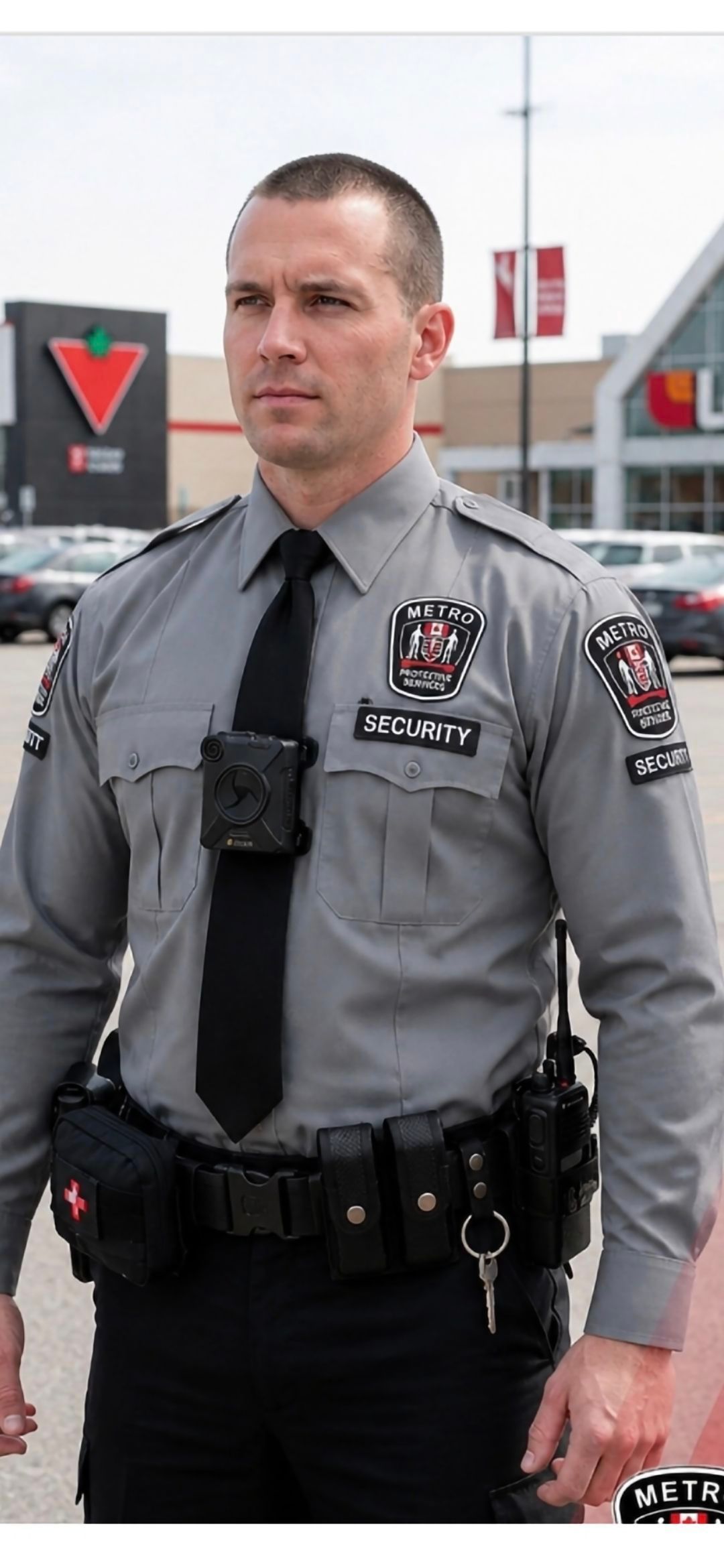
Metro Protective Services provides professional security guard services Toronto retailers can use to support loss prevention, customer safety, staff protection, opening and closing procedures, exterior patrols, and incident documentation throughout the holiday trading period.

Why Holiday Retail Requires a Specific Security Plan
Holiday coverage should not be treated as a standard security schedule with additional hours added at the last minute. Retail risk changes throughout the season and often varies by location, store format, merchandise category, surrounding property, and operating hours.
A high-volume shopping centre may require visible floor coverage during peak evenings and weekends. A standalone store may need more emphasis on parking-lot patrols, back-door control, and opening and closing procedures. A pharmacy, electronics retailer, jewellery store, or luxury boutique may require a different combination of uniformed presence, discreet observation, access control, and manager coordination.
A practical holiday plan should identify:
- The busiest trading periods and highest-risk hours
- Store entrances, exits, fitting rooms, stockrooms, and other blind spots
- High-value merchandise and repeat loss areas
- Receiving schedules and loading-dock exposure
- Parking-lot, exterior, and perimeter concerns
- Seasonal staff training and escalation responsibilities
- Manager contacts and after-hours communication procedures
- The appropriate balance of static guards, mobile patrols, and centralized dispatch support
This approach allows retailers to direct resources where they are most useful instead of applying identical coverage to every location.
Managing Longer Hours and Heavier Customer Volume
Extended operating hours increase the number of hours during which a store requires active oversight. They also create additional transitions between opening teams, daytime staff, evening employees, cleaning contractors, delivery personnel, and closing staff.
A retail security officer can support store operations by maintaining a visible presence, monitoring entrances and exits, conducting scheduled floor checks, and communicating concerns directly to the store manager. The objective is not simply to observe customers. It is to help create an orderly environment in which suspicious activity, safety concerns, disputes, and access-control issues are identified early.
During peak periods, guards may be assigned to:
- Main entrances and high-traffic exits
- High-value merchandise areas
- Fitting-room corridors and adjacent blind spots
- Self-checkout or high-volume transaction zones
- Stockroom and staff-only access points
- Parking-lot entrances and exterior walkways
- Areas affected by lineups, crowding, or promotional events
Coverage should remain professional and customer-focused. Guards must be trained to use observation, communication, and de-escalation appropriately while following the retailer’s approved procedures.
Addressing Shoplifting and Organized Retail Theft
Holiday demand can make certain merchandise particularly attractive to organized retail theft groups and repeat offenders. Activity may involve coordinated distraction, group entries, concealment, rapid exits, or repeated visits to several stores within the same retail network.
Retail loss prevention coverage should therefore go beyond a general uniformed presence. Store managers and security personnel should establish clear procedures for:
- Identifying recurring patterns without relying on assumptions or profiling
- Documenting suspicious activity accurately and objectively
- Communicating incidents to management and other locations when appropriate
- Preserving relevant information, including time, location, merchandise, descriptions, and direction of travel
- Escalating incidents according to company policy and applicable law
- Prioritizing the safety of shoppers, employees, and security personnel
For multi-site retailers, consistent reporting is particularly important. A tactic observed at one location may later appear at another. Centralized incident records help management identify patterns and make informed decisions about where additional coverage is required.

Reducing Refund, Receipt, Coupon, and Gift Card Fraud
The holiday season also places pressure on point-of-sale and customer-service operations. Increased returns, gift-card purchases, promotional offers, and no-receipt inquiries can create opportunities for fraud or procedural errors.
Security officers do not replace a retailer’s internal financial controls. They can, however, support managers by maintaining a professional presence near customer-service areas, identifying disruptive behaviour, documenting incidents, and contacting designated decision-makers when a transaction or dispute requires escalation.
Retailers should review their procedures for:
- High-value refunds and manager approvals
- No-receipt returns
- Receipt switching or altered documentation
- Gift-card activation and redemption concerns
- Coupon and promotion abuse
- Employee overrides and unusual transaction patterns
- Disputes that may escalate into threats or disruptive conduct
A clearly communicated process helps seasonal employees respond consistently rather than making improvised decisions during busy periods.
Strengthening Fitting Room, Receiving, and Back-Door Coverage
Fitting rooms, stockrooms, receiving areas, and back doors are common operational pressure points during holiday trading. Customer volume can make it difficult for store teams to maintain visibility, while frequent deliveries create additional movement through restricted areas.
Coverage plans should address:
- Fitting-room checks conducted according to store policy
- Clear separation between customer and staff-only areas
- Vendor and delivery access procedures
- Verification of receiving documentation by authorized employees
- Control of keys, access cards, and back-door codes
- Monitoring of staged merchandise and high-value shipments
- Secure closing of loading docks, gates, and rear entrances
Security personnel can assist by checking designated doors, recording irregularities, and notifying store managers when access-control or receiving procedures are not being followed. These observations should be documented through daily electronic reports so that management can identify recurring weaknesses.
Protecting Parking Lots and Exterior Areas
The security perimeter extends beyond the sales floor. During the holiday season, customers may carry valuable purchases through parking lots, employees may leave after late shifts, and delivery vehicles may arrive during low-visibility hours.
Exterior coverage may include:
- Visible patrols of parking areas and pedestrian routes
- Checks of rear loading zones and service entrances
- Monitoring of poorly lit or isolated areas
- Lock-and-unlock services for gates and common areas
- Response to alarms or reports of suspicious activity
- Coordination with property management, mall security, or emergency services when required
For retail plazas and shopping-centre properties, mobile patrol services toronto retailers use can extend coverage across multiple buildings and parking areas. Scheduled or randomized checks can supplement static guards and provide a practical option for locations that do not require a full-time officer overnight.

Opening, Closing, and Manager Coordination
Opening and closing periods deserve specific attention because staffing levels may be reduced and the building transitions between occupied and unoccupied conditions.
A holiday opening and closing plan should establish:
- Who is authorized to open or secure the premises
- When security personnel arrive and complete initial checks
- Which doors, gates, alarms, and restricted areas must be inspected
- How employees enter and leave after closing
- How suspicious activity or unsecured areas are escalated
- Which store manager or regional contact receives reports
- What happens if a scheduled employee, contractor, or delivery does not arrive
Metro Protective Services can coordinate with store managers and designated corporate contacts to clarify post orders, reporting expectations, escalation requirements, and daily coverage changes. This is particularly important when store hours change frequently throughout November and December.
Making Multi-Site Coverage Decisions
Retailers with several Toronto and GTA locations should rank sites according to risk rather than dividing security hours equally. Relevant factors may include previous incidents, merchandise value, operating hours, store size, customer volume, surrounding properties, delivery activity, and the availability of existing security systems.
A multi-site plan may combine:
- Full-time or peak-hour retail loss prevention guards at higher-risk stores
- Mobile patrol checks for retail plazas, parking lots, and exterior areas
- Centralized 24/7 dispatch centre coordination
- Supervisor visits and quality-control inspections
- Standardized incident reporting across all locations
- Seasonal adjustments based on current activity
- Real-time communication with regional and property managers
Technology supports this structure. Metro Protective Services uses the Sky-Guard Monitoring System for GPS check-in, electronic reporting, and real-time monitoring. Daily electronic reports provide management with a documented record of patrols, incidents, safety observations, access issues, and follow-up requirements.
The same coordinated approach can support related properties in a portfolio. For example, property managers who oversee retail, commercial, and residential assets may combine retail loss prevention with concierge security services, lobby coverage, and residential security Toronto property managers require for nearby condominium or mixed-use buildings. The correct deployment depends on the site’s operational requirements and risk assessment.
Why Retailers Choose Metro Protective Services
Metro Protective Services has served Toronto and the GTA since 2000, providing more than 20 years of experience across retail, commercial, industrial, residential, and event environments.
Our service model combines:
- Highly trained security guards
- Professional retail and commercial coverage
- 24/7 dispatch centre coordination
- Real-time monitoring
- GPS-verified check-ins
- Daily electronic reports
- Mobile patrol and parking-lot coverage
- Competitive pricing
- Flexible support for single-site and multi-site operations
Our retail and commercial security services and loss prevention services can be tailored to the trading hours, layout, merchandise, and operating procedures of each property. Retailers can also review our mobile patrol service information and concierge security services when planning coverage across connected commercial or residential properties.
Prepare Before the Holiday Rush
Holiday security is most effective when procedures, staffing, reporting, and escalation contacts are confirmed before customer volume reaches its highest levels. A detailed plan gives store managers and regional teams a practical framework for responding to shoplifting, organized retail theft, refund fraud, receiving issues, exterior concerns, and after-hours risks.
Metro Protective Services can assess your locations and develop a coverage plan that reflects your retail environment, operating schedule, and budget.
Need Help? Chat with us to discuss holiday retail loss prevention coverage.
Submit now for a customized security assessment.
Recent Posts
- Comprehensive Security Guard and Property Protection Services in Toronto and the GTA: A Fall and Winter Coverage Plan
- Retail, Construction, Industrial, and Residential: 4 Tactical Security Guard Services Toronto Ideas for 2026
- How to Choose the Best Security Guard Services Toronto: A 20-Year Expert Comparison Guide
- How to Choose the Best Loss Prevention Services in Toronto: 2026 Comparison Guide
Metro Protective Services
Serving Toronto and the GTA since 2000
Phone: (647) 931-4801
Contact Metro Protective Services

